
Understanding Scarring
Every surgery leaves some scar. Understanding how scars form and settle helps you judge healing realistically.
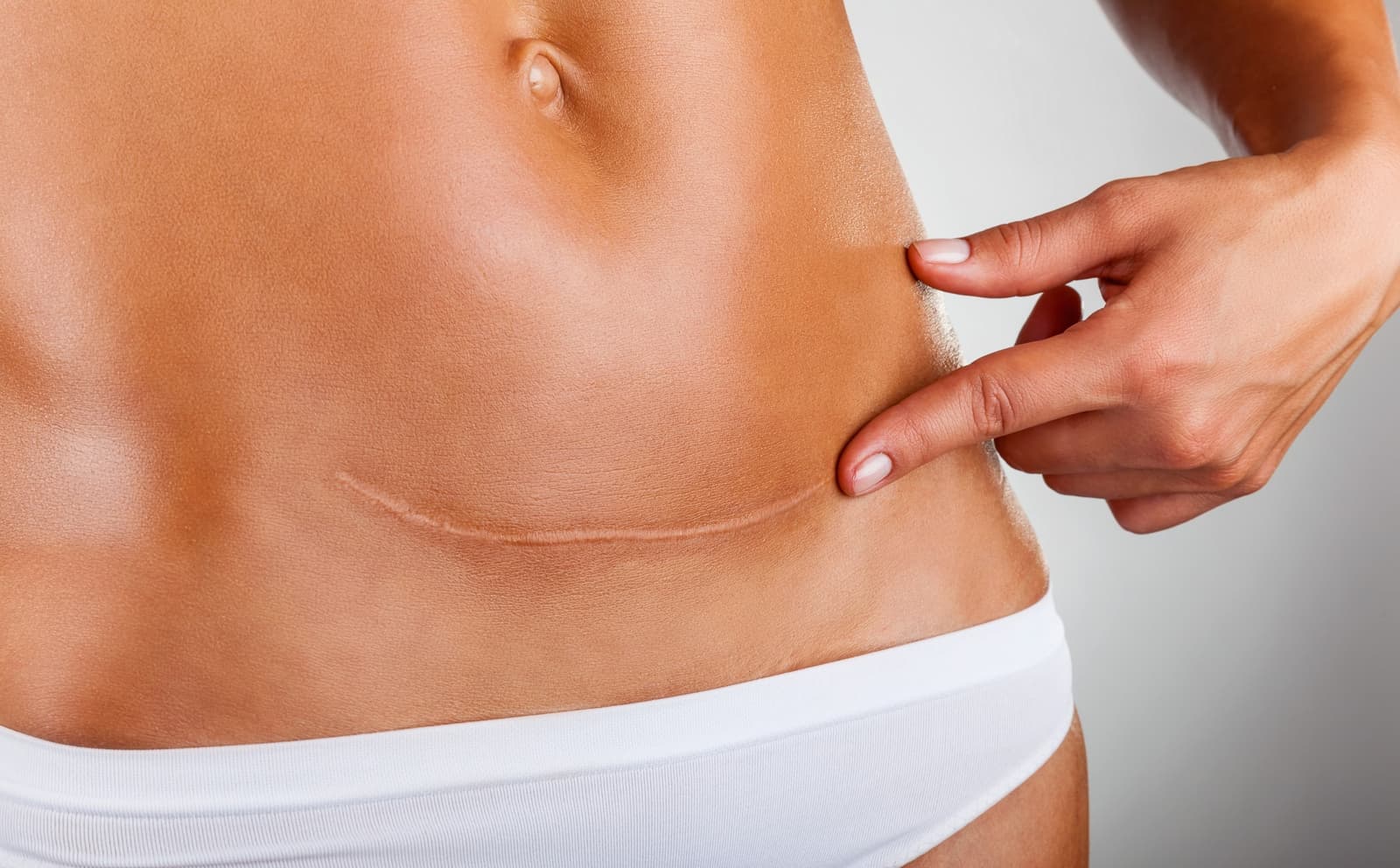
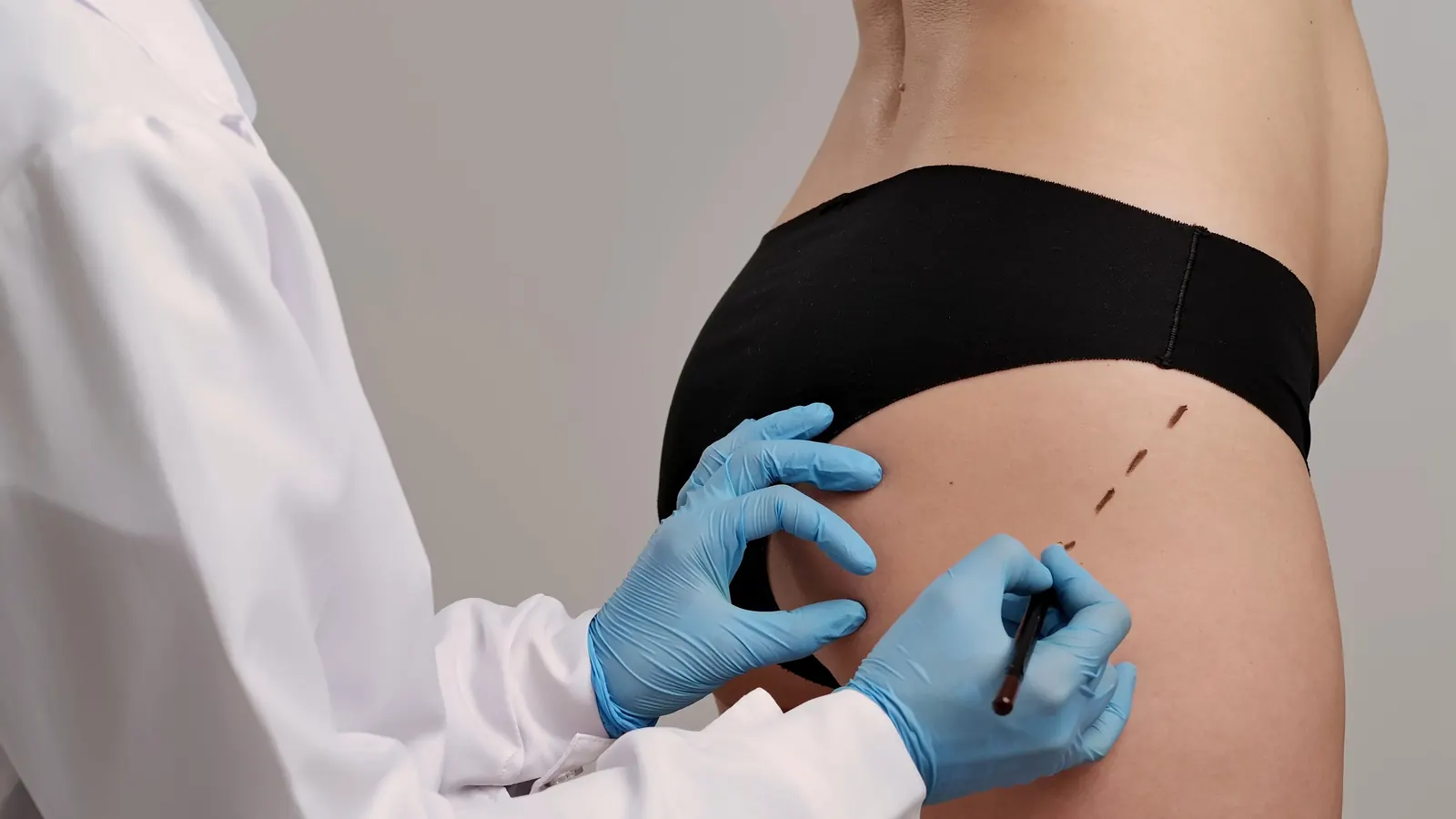
Any operation that involves an incision leaves a scar. Good surgeons place and close incisions to make scars as discreet as possible, but a scar is a normal, expected part of surgery.
How scars form and settle
- Fresh scars often look red or raised before gradually fading and flattening
- This settling can take a year or more, and varies from person to person
- Skin type, genetics, smoking and sun exposure all influence how a scar matures
- Surgeons position incisions in creases or hidden areas where they can
Caring for your scars
Follow your surgeon’s advice on wound care. Protecting healing scars from the sun, not smoking, and being patient all help. If a scar becomes thick, itchy or raised, mention it at a follow-up, there are treatments that can help, but give normal healing time first.
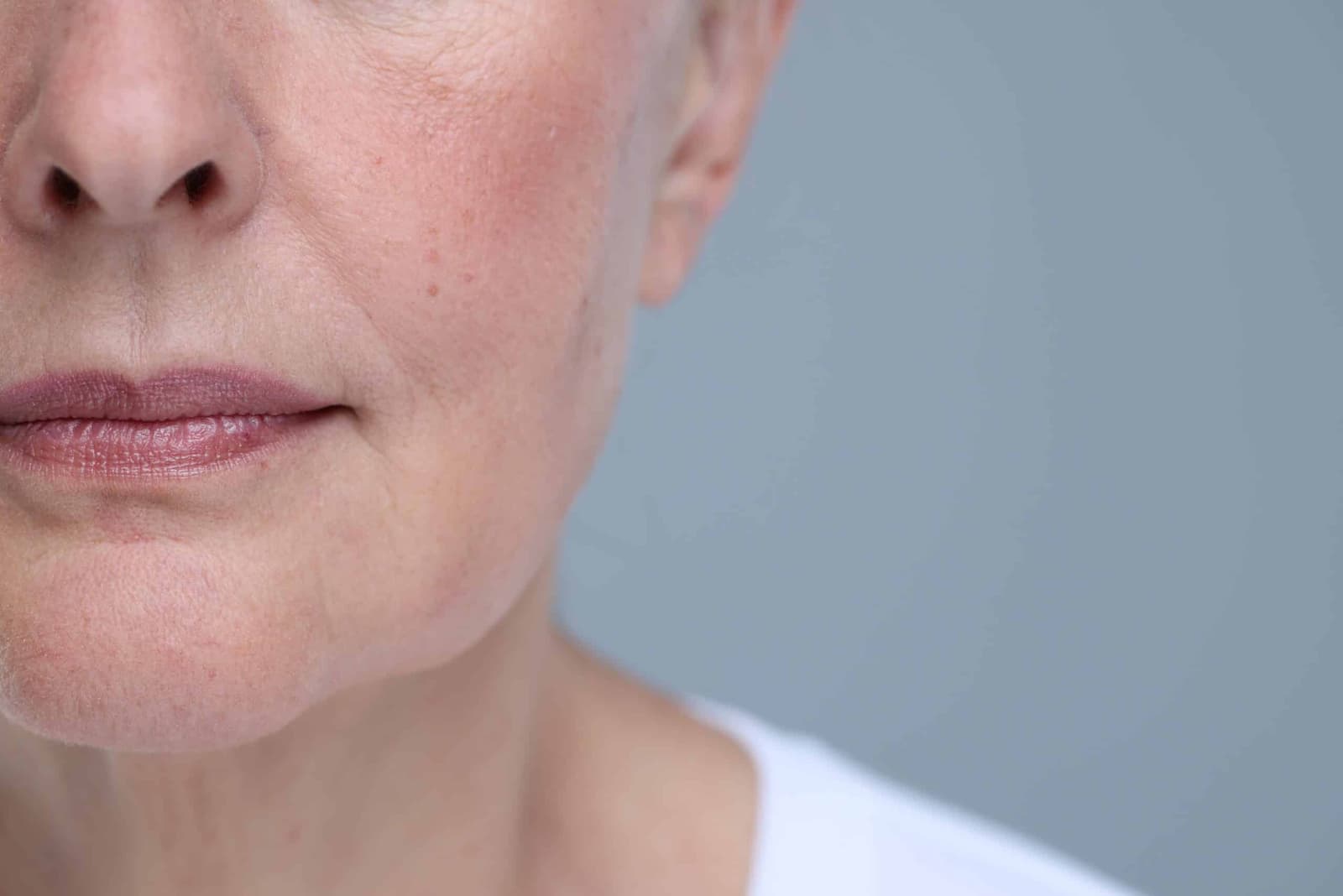
Scars and swelling both take time. Our expectations guide helps you assess your result.
Frequently asked questions
Will my scar ever fully disappear?
Scars fade and flatten over time but do not vanish entirely. A well-placed scar usually becomes discreet, though how it matures varies between people.
How long do scars take to settle?
Often a year or more. Scars typically look their most obvious in the early months and improve gradually, so try not to judge them too soon.
Can I do anything to help a scar heal well?
Following wound-care advice, protecting scars from the sun, not smoking and being patient all help. Raise any concerns about a thick or raised scar at follow-up.