- Northern Ireland
Specialities
Body surgery, Botulinum toxin injections (Botox), Breast surgery, Eyelid Surgery, Hair, Rhinoplasty, Setting back prominent ears
Clinic
Royal Victoria Hospital
Grosvenor Road, Belfast, BT12 6BA
A procedure that moves your own hair follicles to thinning or balding areas.
Prices are indicative UK ranges for research only, never a quote. Your surgeon will confirm costs after assessing you.
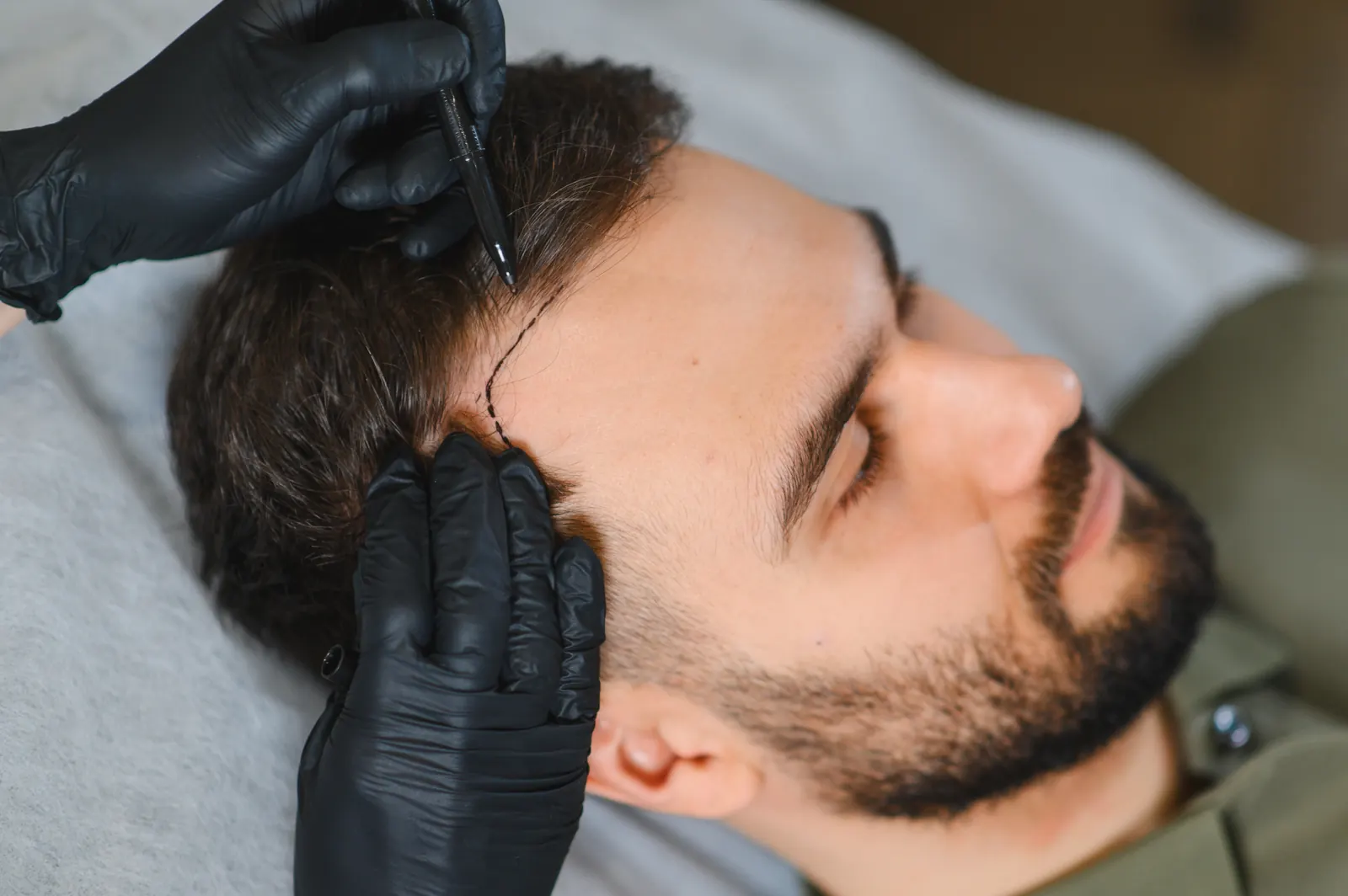
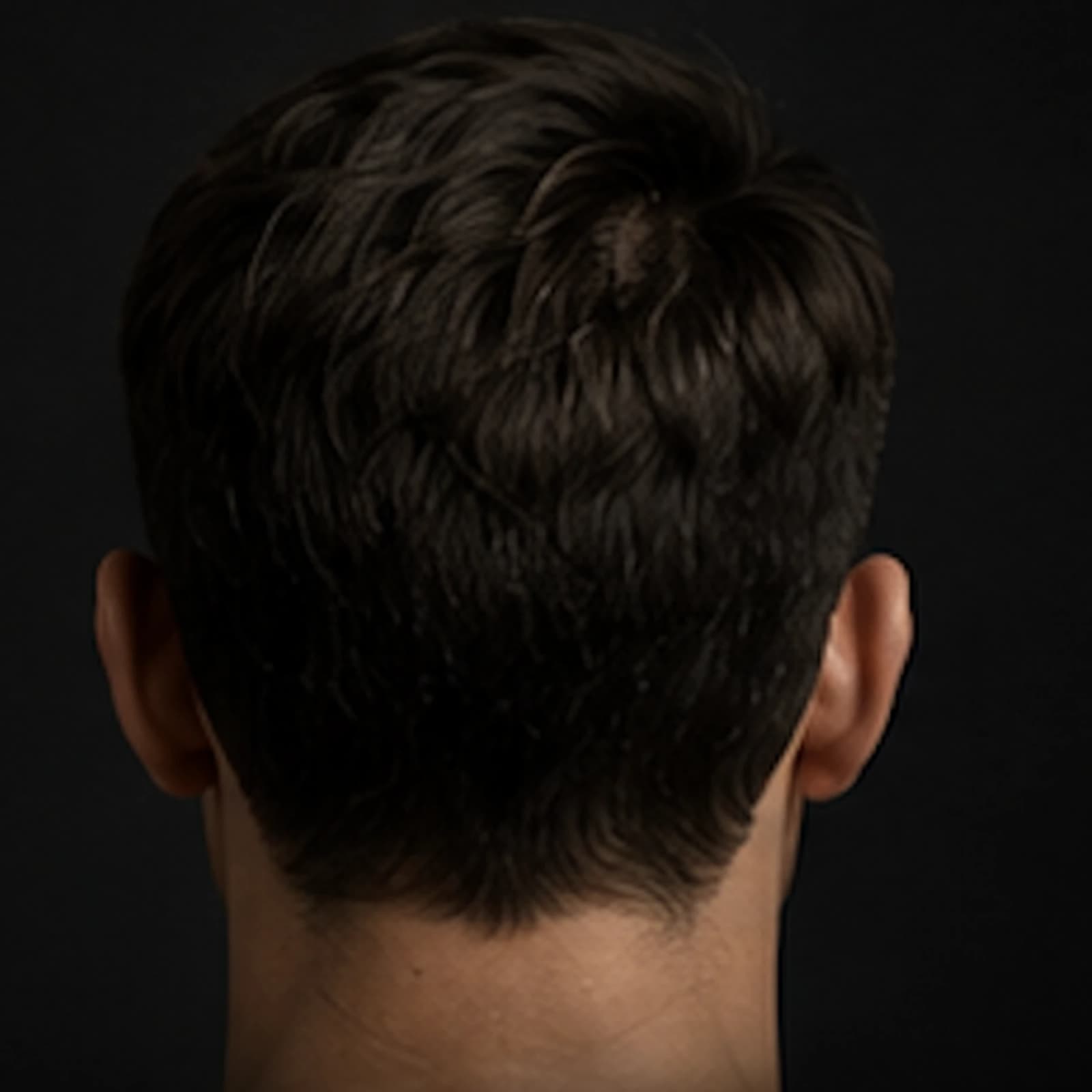
A hair transplant moves hair follicles from an area where growth is stable, usually the back and sides of the head, into areas that are thinning or bald. The follicles are your own, so once they have settled the transplanted hair grows and can be cut and styled normally.
Almost every transplant uses one of two ways of taking the donor hair, and that is the main difference between them. FUE (follicular unit extraction) removes follicles individually from the donor area with a fine punch, leaving many tiny dot scars instead of a line. FUT (follicular unit transplantation), also called the strip method, removes a thin strip of scalp that is then divided under magnification into individual grafts, leaving one fine linear scar.
How the grafts are placed into the thinning area is broadly the same either way. What differs is the donor scarring, the hair length that will keep it covered, how long the procedure takes, and how many grafts can realistically be obtained in a single session. Neither method is better in the abstract: which suits you depends on your pattern of loss, donor supply, scalp characteristics and how you wear your hair, all of which a qualified surgeon assesses in person.
Whichever is used, a transplant redistributes the hair you already have rather than creating new hair, so donor supply sets a realistic ceiling on density. Results are also slow. Transplanted hairs usually shed first, new growth appears from around 3–4 months, and the full result develops over 9–12 months.
The points below describe reasons people commonly explore this procedure. They are not eligibility criteria, only a qualified surgeon who has assessed you can advise whether it is appropriate for you.
Every procedure carries risks. The general points below are for information only and are not a complete list.
As a guide, this procedure typically costs in the region of £3,000 to £10,000Cost depends heavily on the number of grafts needed. This is an indicative range to help you plan, not a quote. A surgeon will confirm your own cost only after assessing you.
A good consultation is a two-way conversation. Consider taking these questions with you.
Specialities
Body surgery, Botulinum toxin injections (Botox), Breast surgery, Eyelid Surgery, Hair, Rhinoplasty, Setting back prominent ears
Clinic
Royal Victoria Hospital
Grosvenor Road, Belfast, BT12 6BA
Consultant Plastic Surgeon
MB BAO BCh MRM MSc FRCS(Plast) EurDiploma Hand Surgery BOOS Orthopaedic Oncology EBOPRAS EBCFPRS
Specialities
Aesthetic Genital Surgery, Body surgery, Botulinum toxin injections (Botox), Breast surgery, Eyelid Surgery, Facelifts, Facial Surgery, Gynecomastia (male breast reduction), Hair, Lip enhancement, Liposuction, Mole Removal, Reshaping Chins and Cheeks, Rhinoplasty, Scars, Setting back prominent ears
Clinic
Fitzwilliam Clinic
70-72 Lisburn Road, Belfast, BT9 6AF
Specialities
Aesthetic Genital Surgery, Body surgery, Botulinum toxin injections (Botox), Breast surgery, Eyelid Surgery, Facelifts, Hair, Lip enhancement, Liposuction, Rhinoplasty, Scars, Setting back prominent ears
Clinic
CLNQ
49-51 King Street, Knutsford, Cheshire, WA16 6DX
Specialities
Aesthetic Genital Surgery, Body surgery, Botulinum toxin injections (Botox), Breast surgery, Eyelid Surgery, Facelifts, Gynecomastia (male breast reduction), Hair, Lip enhancement, Liposuction, Reshaping Chins and Cheeks, Rhinoplasty, Scars, Setting back prominent ears
Clinic
University Hospitals Bristol NHS Trust
Trust Headquarters, Marlborough, Bristol, Bristol, BS1 3NU
A hair transplant technique that harvests individual follicles, leaving tiny dot scars.
A hair transplant technique that harvests a strip of scalp, leaving a fine linear scar.
Transplanted hair usually sheds first, then new growth begins at around 3–4 months, with the full result developing over 9–12 months. Patience is essential.
Some people do, particularly for higher densities or if hair loss continues. A clinician can give a realistic assessment.
Transplanted follicles are typically resistant to further loss, but your original hair can continue to thin, which may need ongoing management.
Ask exactly who carries out each stage and their qualifications. This varies significantly between clinics.