
Understanding Surgical Risk
All surgery carries risk. Understanding the general categories helps you have an honest conversation with your surgeon.

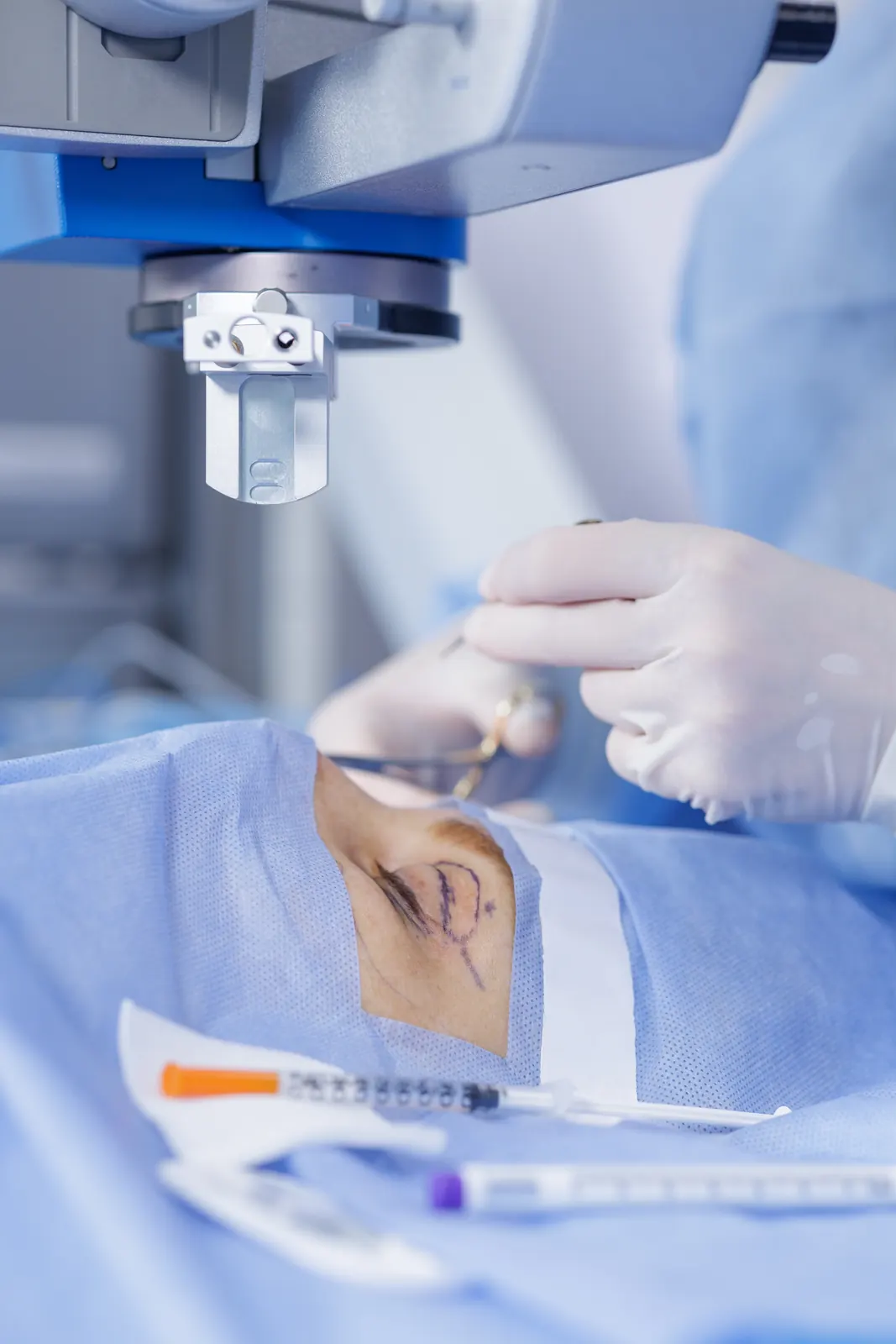
No operation is entirely without risk. That is not a reason to be frightened, but it is a reason to be informed. Understanding how risk is described helps you weigh a procedure honestly.
The general categories of risk
The likelihood of each risk for you personally can only be judged in person by a qualified clinician who has assessed your health and goals. Nothing here is medical advice.
- General surgical risks such as bleeding, infection and reactions to anaesthesia
- Procedure-specific risks that vary with the operation
- Risks affected by your own health, such as smoking, weight or existing conditions
- The possibility that the result is not what you hoped, or that revision is needed
How risk is reduced
Choosing an experienced, registered surgeon operating in a properly regulated facility reduces risk considerably. So does being honest about your medical history, following pre-operative advice, and giving yourself time to recover.

A regulated clinic is part of managing risk. Learn what to check.
Frequently asked questions
How do I know how risky a procedure is for me?
Only a qualified clinician who has assessed your health and goals can tell you how likely each risk is for you. General information is a starting point, not a personal assessment.
Can I reduce my own risk?
To a degree, yes, for example by stopping smoking, being open about your medical history, following pre-operative instructions and allowing proper recovery time.
Should a surgeon raise risks unprompted?
Yes. A good surgeon discusses risks openly as part of informed consent. Reluctance to talk about risk is a warning sign.