Closed vs Open Rhinoplasty: What Is the Difference?
Open and closed refer to how the surgeon accesses the nose. Each has trade-offs, and neither is right for everyone.


One of the first things you may hear discussed is whether your rhinoplasty would be “open” or “closed”. The terms simply describe how the surgeon reaches the underlying structure of the nose.
How the two approaches differ
An open approach gives the surgeon a direct view and is often chosen for more complex work or revision cases. A closed approach can mean slightly less swelling and no external scar, and may suit more limited changes.
- Closed (endonasal), all incisions are inside the nostrils, so there is no visible external scar
- Open (external), a small additional incision across the columella, the strip of skin between the nostrils, lifts the skin for a fuller view
- The columella scar from an open approach is usually very discreet once healed
Which is better?
Neither is inherently superior. Experienced surgeons use both and choose based on what your nose needs and their own training. The decision matters far less than the surgeon’s skill and judgement.
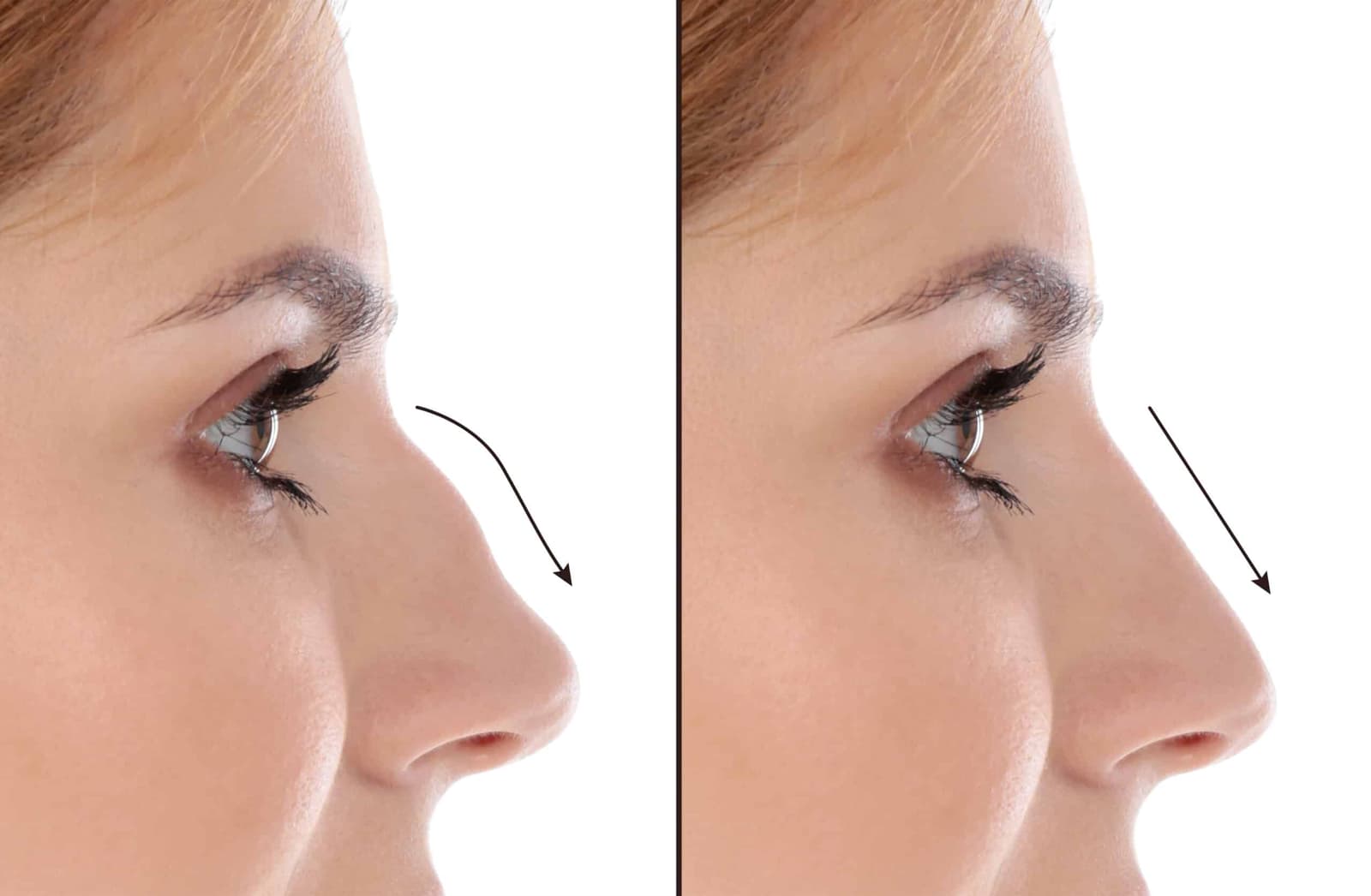
Whether either approach suits you is decided at consultation. Our candidacy guide explains what is assessed.
Frequently asked questions
Will an open rhinoplasty leave a visible scar?
There is a small scar on the columella, but it is typically well hidden and fades over time. Most people find it difficult to see once fully healed.
Is closed rhinoplasty a quicker recovery?
It may involve slightly less swelling in the early stages for some people, but overall recovery is broadly similar. Your surgeon can give you a realistic timeline for your case.
Can I choose which approach is used?
You can discuss your preference, but the choice should be led by what will give the safest, most predictable result for your anatomy, that is a clinical decision.