
Understanding Rhinoplasty: Types and Techniques
Rhinoplasty is not a single operation. Knowing the main types helps you have a more informed conversation at your consultation.

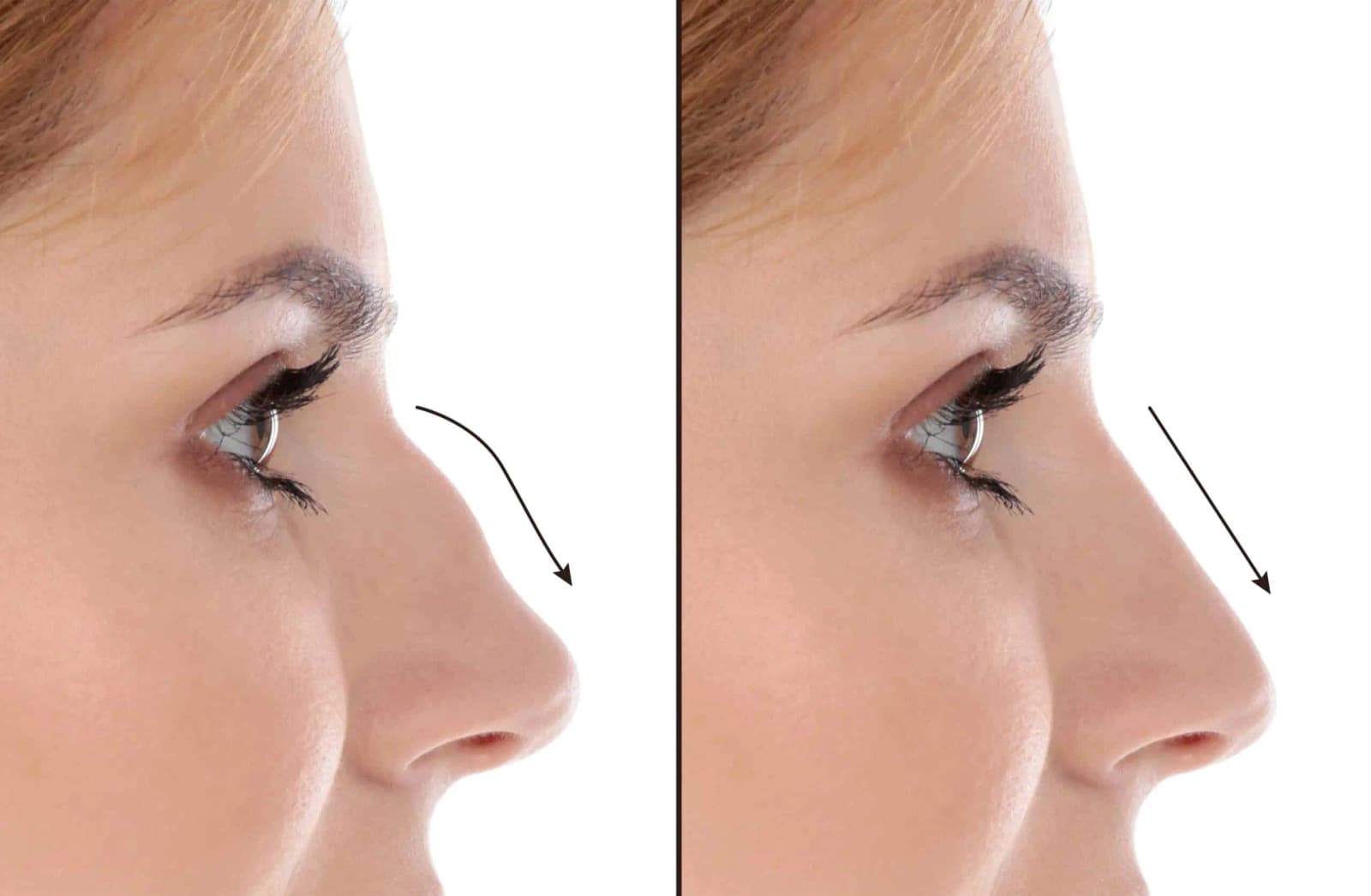
The word “rhinoplasty” covers a range of procedures with quite different goals. Understanding the broad categories will help you follow what a surgeon is proposing and why.
Types grouped by goal
Rhinoplasty is often described by what it sets out to achieve rather than a single method:
- Reduction rhinoplasty, refining a prominent bridge or tip
- Augmentation rhinoplasty, adding support or projection, sometimes using your own cartilage
- Functional rhinoplasty (septorhinoplasty), improving breathing alongside appearance
- Revision rhinoplasty, a further operation to address a previous result
- Non-surgical rhinoplasty, temporary reshaping with dermal fillers, no bone or cartilage change
Surgical approaches
Beyond the goal, surgeons choose an approach based on your anatomy. The main distinction is between open and closed techniques, and increasingly between structural and preservation philosophies.
A good surgeon will explain which approach they recommend for you and why, there is no universally superior method.

Our guide to open versus closed rhinoplasty explains how the two differ in practice.
Frequently asked questions
What is the difference between rhinoplasty and septorhinoplasty?
Rhinoplasty reshapes the appearance of the nose. Septorhinoplasty also corrects the septum, the wall between the nostrils, usually to improve breathing at the same time.
Is non-surgical rhinoplasty a permanent alternative?
No. Non-surgical rhinoplasty uses temporary dermal fillers to camouflage certain contours. It cannot reduce a nose or change bone, and results fade over months.
Which technique will I need?
That depends on your anatomy and goals, and can only be decided in a consultation. Be cautious of any surgeon who recommends a specific technique before examining you.