
The Future of Rhinoplasty: Natural Results and Advanced Techniques
Rhinoplasty continues to evolve with techniques that prioritise natural-looking results, faster recovery and patient safety.

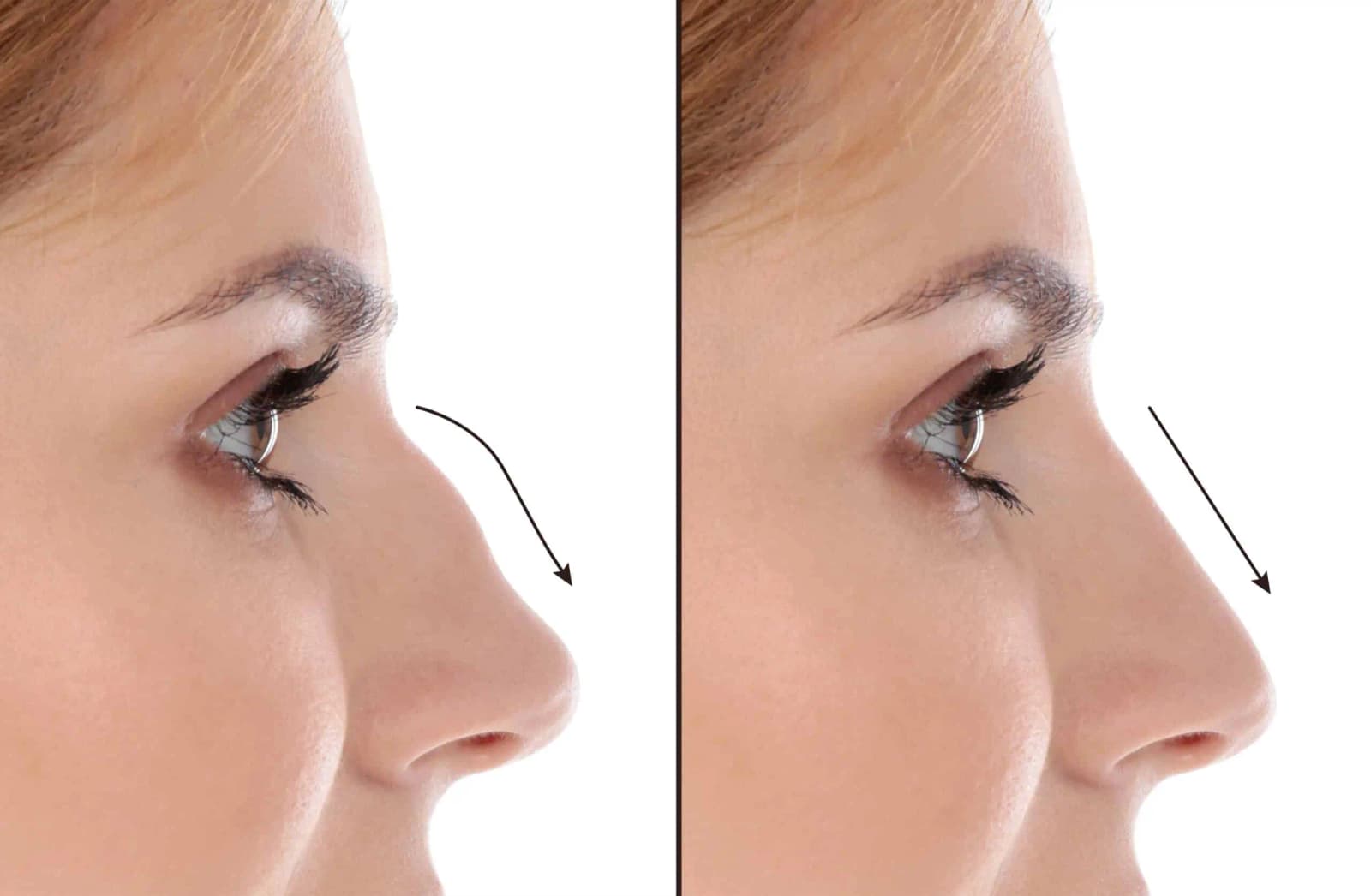
Rhinoplasty is one of the most commonly performed facial procedures, but the way it is approached has changed a great deal. In recent years the focus has moved away from dramatic changes towards subtle refinements that work with a person’s existing features rather than against them.
A shift towards natural results
People researching rhinoplasty today tend to want a result that looks unoperated, a nose that suits their face rather than one that draws attention. In practice, surgeons describe this as:
- Preserving as much natural anatomy as possible
- Avoiding over-removal of bone and cartilage
- Balancing the nose with the rest of the face, not an ideal template
The aim is not a “perfect” nose. It is a nose that looks like it was always yours.
Techniques shaping current practice
Several approaches are increasingly discussed in consultations. None is automatically “best”, the right technique depends on your anatomy and goals, and should be explained to you clearly.
- Preservation rhinoplasty
Keeps more of the nose’s natural support structures intact, reshaping rather than removing them.
- Ultrasonic (piezo) instruments
Allow precise reshaping of bone with less trauma to surrounding tissue, which can reduce bruising.
- 3D imaging and planning
Can help set realistic expectations by simulating possible outcomes, a discussion aid, not a guarantee.
What this means for your research
Newer techniques are promising, but the single biggest factor in any result is the surgeon’s experience and judgement. Focus your research on the person, not just the method.

Read our neutral overview of what rhinoplasty involves, including risks and recovery.
Frequently asked questions
Is a natural-looking result realistic for everyone?
Often, yes. A skilled surgeon works with your existing anatomy to refine rather than replace your features. Whether a particular result is achievable for you can only be judged at an in-person consultation.
Does newer technology guarantee a better outcome?
No. Techniques such as ultrasonic instruments or preservation rhinoplasty can offer advantages, but outcomes depend far more on the surgeon’s experience and judgement than on any single tool.
How do I find a surgeon who works this way?
Look for a GMC-registered specialist who can show relevant before-and-after examples and explain why a given technique suits you. Comparing several surgeons is sensible before deciding.